When CBP Keeps the Kicks: Decoding a Seized Replica Haul in 2026
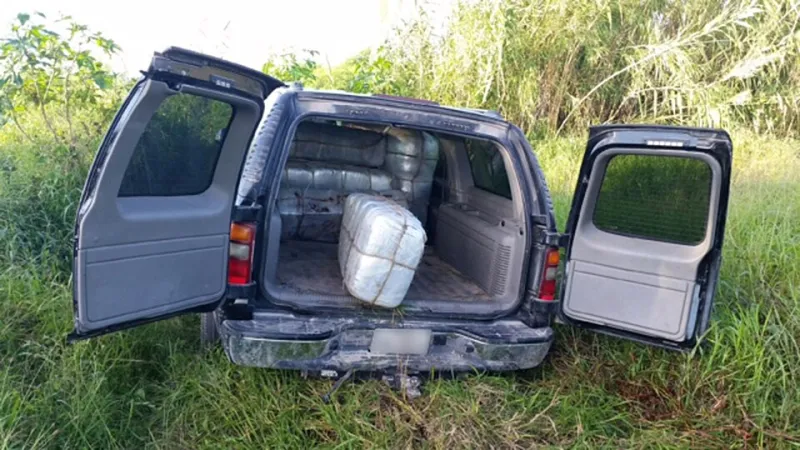
Photo: U.S. Customs and Border Protection, Public domain, via Wikimedia Commons
There are few pieces of mail less welcome than an envelope from US Customs and Border Protection when you are waiting on a sneaker haul. The tracking was moving. The seller sent QC photos. You already picked out the fit. Then the package stops, a letter arrives, and the whole thing suddenly feels like a legal thriller instead of a footwear purchase.
Take a breath. A customs seizure notice is not a random curse. It is paperwork, and paperwork can be read. This is not legal advice—if your letter mentions penalties, repeat conduct, or a value that makes your stomach drop, talk to a customs attorney. But for the average US sneaker fan trying to understand what just happened, the notice is usually more ordinary than it looks.
The Envelope Is Not a Scam (Probably)
First, check whether the letter is real. Seizure notices typically come from CBP, reference an entry or tracking number, identify the items, and explain why they were stopped. Counterfeit goods are a common reason. If the letter asks you to click a link and pay a fee in gift cards, that is not customs. That is a scam wearing a badge costume.
A real notice will usually name the port, the shipment, the alleged violation, and the options available to you. It may include a form number, a case number, and a deadline. Photograph every page. Keep the envelope. Save the tracking history while it is still live. You are building a small file, not a defense strategy—but future you will be thankful.
Read the First Page Like a Sneaker Tag
Do not skim the whole thing in a panic. Start with the first page and look for three things: what was seized, why it was seized, and what response window you have. The 'why' is often counterfeit merchandise or restricted goods. The 'what' may be vague—'assorted footwear' is common—but the quantity and declared value matter.
The response window is the part people miss. Many notices give a set period, often around 30 days from the date printed on the letter, to file a claim, request relief, or choose to abandon the goods. Some cases move faster. Some notices offer a petition process. Some simply explain that the items will be forfeited if you do nothing. Treat the printed date as the starting gun, not the postmark. If the letter arrived late, call the number on the notice and ask for the current status. Be polite. Customs staff have heard every excuse, and calm questions get better answers than speeches.
The Clock Starts Before You’re Ready
This is the least glamorous part of sneaker culture: calendar management. If you intend to respond, do it early. Do not wait for the seller to 'handle it' before you open your own mail. The seller can reship a pair. The seller cannot reset your response deadline.
If you are not going to contest the seizure, the notice may allow you to abandon the merchandise. That is sometimes the realistic move for a small haul, especially when the paperwork and time cost outweigh the value of the shoes. Again, read your specific notice. Do not assume abandoning is free of consequences, and do not assume contesting is impossible. The right answer depends on the facts in your envelope.
What Sellers Actually Do About Reships and Refunds
This is where replica-market experience matters. Sellers handle seizures differently. Some offer a one-time reship at a discount or free if you provide a photo of the notice and tracking that stalled. Some offer a partial credit. Some go quiet. Some ask you to wait 30 to 60 days before they will call it lost. A few will blame you for the address, the order size, or the shipping line.
Ask specific questions in one message: Will this be reshipped, refunded, or credited? What proof do you need? What is the cutoff date? Who pays the second shipping cost? Get the answer in writing. Do not threaten a chargeback in the first message; it usually makes sellers less helpful. If you paid by card and the seller vanishes, know your card’s dispute window, but use that as a last resort rather than a opening move.
The hard truth is that a seizure is a shared risk in this market. A good seller factors it into their policy. A bad seller pretends it never happens. How they respond to one letter tells you more about them than a hundred glamour shots.
The Watchlist Is Real, but It’s Not a Boogeyman
US buyers sometimes talk about a customs 'watchlist' like it is a myth or a lifetime ban. The reality is less cinematic. Repeated seizures, odd shipping patterns, and packages tied to the same address or name can draw extra attention. That does not mean your sneaker life is over. It means the next haul should be boring.
Boring is good. Boring means one or two pairs instead of a pallet. Boring means a real declared value and a normal address. Boring means you are not asking a seller to write 'gift' on a box that clearly contains five pairs of sneakers. Customs is looking for patterns, not punishing one unlucky order.
Shipping Habits That Keep You Off the Radar
Start with order size. A giant haul in one box is efficient for the seller and risky for you. If one package gets flagged, the whole rotation disappears. Splitting a haul does not guarantee safety, but it limits the damage. Keep your orders modest enough that a seizure is annoying, not catastrophic.
Next, do not micromanage the declaration. Asking a seller to fudge values or labels is the kind of cute move that stops being cute when there is a badge on the envelope. Use the seller’s standard shipping method. Keep your address consistent. Answer carrier notices. If tracking stalls for an unusual amount of time, ask the seller for a status check instead of ordering three more pairs to the same address.
Finally, keep records. Screenshots of the order, the tracking, the seller’s reship policy, and the notice itself. If you need to follow up with CBP, a seller, or a payment provider, a clean folder beats a frantic scroll through DMs.
A Short, Calm Checklist
Photograph the notice and envelope. Note the deadline. Identify the option you are choosing. Message the seller with specific questions. Decide whether the value justifies the fight. Adjust your next order size. Do not send money to anyone who claims they can 'release' the package for a fee. And if the letter is genuinely confusing, get professional advice instead of improvising.
The Bottom Line
A seizure notice is a bad mail day, not the end of your sneaker rotation. Read it, date it, and respond like an adult with a calendar. The replica market runs on risk management as much as style, and this is one of those moments where clear paperwork beats panic. The shoes may be gone. The lesson does not have to be expensive twice.