Creases as Credentials: The 2026 Case for Wearing Your Sneakers Hard
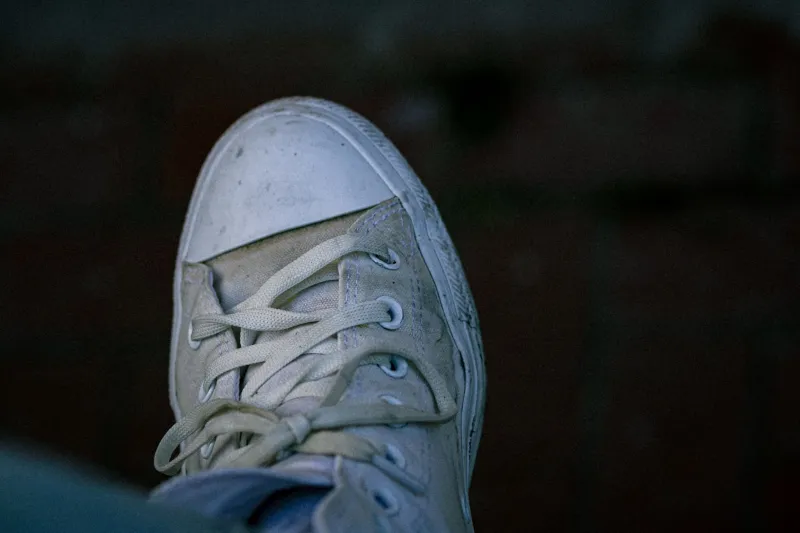
Ask a sneaker fan in 2026 what makes a pair look expensive and you may get a strange answer: the crease across the toe box, the lean of a worn heel, the scuff that never quite came out. Clean is still cool. But clean is also easy to buy. Wear is harder to fake, and that is why it has become a status signal in US street style.
The Tell Is in the Toe Box
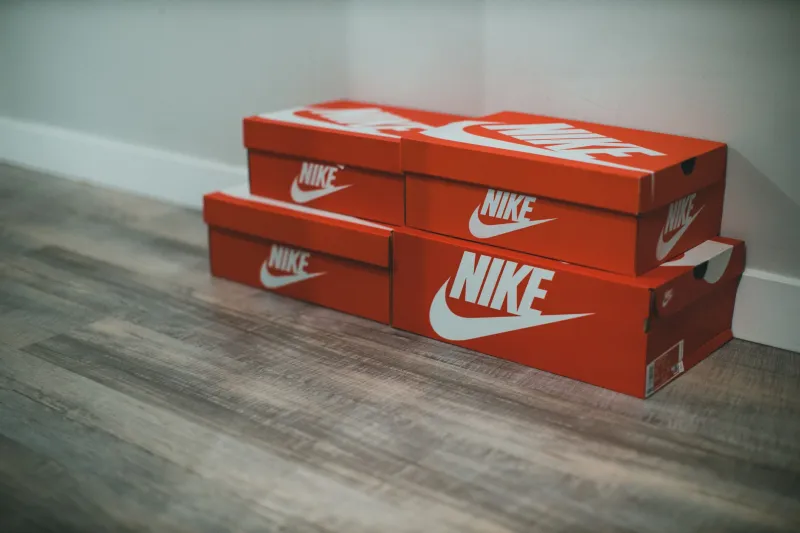
For years, the internet taught sneaker fans to chase deadstock. A pair stayed in the box, the box stayed on a shelf, and the shoe became a number rather than an object. That logic still exists, especially around limited drops and resale listings. But a parallel mood has taken over sidewalks from Brooklyn to Los Angeles: the beat-up pair is the one with the story.
A yellowed midsole is not automatically a flaw anymore. A repaired stitch line can be a badge. A crease across the vamp shows where the foot flexed, how the owner walked, and how many times the pair got picked over a safer option in the closet. In a market full of identical drops, wear is one of the few details that cannot be duplicated at scale.
Why Wear Reads as Real
Sneaker culture has always had a complicated relationship with perfection. New pairs signal access. Worn pairs signal participation. The distinction matters more now because the resale-minded audience has grown so large. Plenty of people can buy the hot shoe. Fewer can show you what it looks like after six months of real use.
That is where beater culture comes in. The beater is not a neglected shoe. It is a chosen shoe. It gets worn in rain, on errands, to concerts, through airport security, and across campus. The owner knows the pair's flaws by heart and keeps wearing it anyway. In 2026, that kind of commitment reads as more credible than a fresh receipt.
The Care Ritual Is Part of the Flex
There is a difference between worn and wrecked. The most convincing beaters are maintained, just not babied. Owners brush suede, wipe down leather, stuff the toes with shoe trees orpaper, and rotate pairs so one shoe does not absorb every mile. A little mild soap, a horsehair brush, and a suede eraser can do more than a full restoration.
Some fans go further. They take pairs to a cobbler for stitching repairs. They replace insoles. They touch up scuffs with matching cream and then let the next scuff happen. The goal is not to make the shoe look new again. The goal is to make it look cared for.
Yellowed midsoles are a good example of the shift. A decade ago, a yellow sole could kill a listing. Now some owners leave it alone because the patina fits the shoe's age. Others try cleaning kits and sole sauce, then accept whatever remains. Either way, the conversation has moved from perfection to character.
The Economics of a Worn Pair
Worn sneakers are usually cheaper than deadstock, but the math is not as simple as it looks. Common general-release pairs lose value fast once they are creased. Older collaborations, regional exclusives, and models with a strong story can hold money even with visible wear. Listings now use phrases like honest wear, plenty of life left, and broken in, because buyers want to know what they are getting.
For sellers, that means photos of the toe box, heel drag, and outsole matter more than a glamorous top-down shot. For buyers, it means learning which flaws are cosmetic and which ones affect structure. A scuffed toe is one thing. A collapsed heel or a cracked midsole is another.
There is also a rotation argument. Three well-chosen worn pairs can cover more outfits than one pristine pair that never leaves the house. The person with a rotation gets more use, more comfort, and often more style flexibility. The person with a museum piece gets a nice shelf.
Styling the Scuff
Beat-up sneakers look best when the rest of the outfit is intentional. That does not mean dressing up every time. It means giving the worn pair a clean frame. Wide-leg denim, straight chinos, cargo pants, and simple shorts all work because they let the shoe breathe without competing with it.
A good rule: let one thing look worn, not everything. If the sneakers are scuffed, keep the jacket sharp or the trousers crisp. If the outfit is already faded and frayed, make sure the proportions are deliberate. The goal is evidence of life, not evidence of laundry day.
Socks matter too. A visible sock can tie an unloved colorway together or make a beat pair look intentional. In colder months, thicker socks also solve the fit issue that comes with broken-in uppers. In warmer months, no-show socks keep the focus on the shoe's shape and patina.
What Counts as a Grail Now
A grail used to mean a pair you were afraid to wear. In 2026, it increasingly means a pair you did wear. That shift is changing the way US sneaker fans talk about value. A shoe with a personal history can outrank a shoe with a high resale price. A repaired pair from a friend can mean more than a sealed box from a raffle.
This does not mean every scuffed shoe is suddenly special. It means the definition has widened. Condition is still part of the conversation, but it is no longer the only part. Provenance, use, and care are entering the chat.
At Putian XS, we are watching that shift across street style and the resale market alike. The scuff is not the end of the story. In 2026, it is often the beginning.