The Exit Interview: Giving Replica Sneakers a Fair Send-Off in 2026
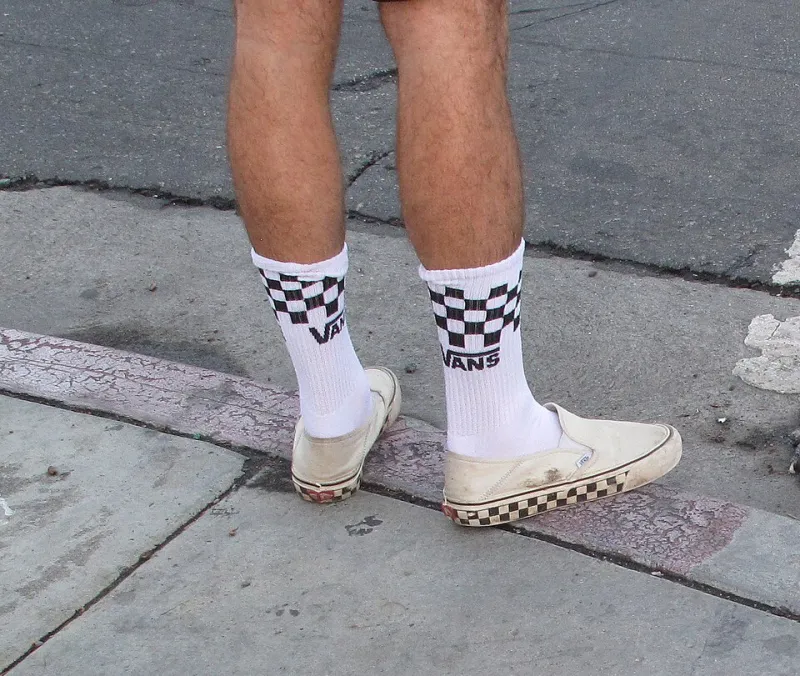
Photo: Downtowngal, CC BY-SA 4.0, via Wikimedia Commons
Every rotation has a last day. It rarely arrives with a dramatic blowout. More often, a replica sneaker just starts feeling tired. The laces look limp. The heel collar has gone soft. You reach for the same pair and pause, not because it looks terrible, but because something about the walk has changed. In 2026, with batches, QC photos, and group-chat verdicts shaping so much of replica culture, retirement still comes down to a very old-fashioned question: does this pair still work for the way you live?
That question deserves a real answer. Not a guilt trip, not a collector’s panic, and not a rush to the trash. The exit interview is a practical ritual. It keeps your rotation honest and your closet from turning into a foam graveyard. Here is how US replica buyers can sort a pair into keep, beater, donation, resale, or done.
Start With the Walk, Not the Mirror
Mirrors lie. Sidewalks do not. Before you study creases or color, take the pair on the kind of errand you actually run: a grocery run, a dog walk, a train platform sprint. Pay attention to the outsole. Run your thumb across the heel drag and the forefoot pivot point. If the tread pattern has gone smooth in the spots that hit first, the pair is telling you something. A little edge wear is normal. A bald landing zone is a wet-weather hazard.
Ask one simple question: would you wear these on a rainy sidewalk? If the answer is no, they are already off daily duty. That does not mean trash. It means the pair has moved into a different role, or it needs to move out.
The Midsole Clock Is Real
Yellowing gets too much attention. A slightly amber midsole can look better than a factory-fresh one, and in 2026 plenty of replica pairs age with more character than panic. The real issue is compression. Foam loses bounce. The shoe starts feeling flat under the ball of your foot, or the heel bottoms out on a long walk. If your knees or lower back notice the pair before your eyes do, believe them.
A quick test: wear them for twenty minutes around the house, then again on a longer walk. If the comfort gap is obvious, the midsole is done for daily rotation. You can still keep them for short errands, but do not pretend they are your all-day pair. Foam has a calendar, even when the upper looks fine.
Smell Has a Ceiling
Every sneaker gets a smell. That is not the issue. The issue is the smell that comes back two wears after a wash. Start with the cheap fixes: pull the insoles, scrub them with mild soap, let everything dry fully in open air, and use baking soda or a sneaker deodorizer. If the sour, mildewy note returns fast, the pair is holding moisture in the lining or midsole. That is not a donation candidate. It is a health and comfort problem.
Be honest here. A pair that makes you hesitate to take your shoes off at a friend’s apartment has already lost its social license. Cleaning can buy time, but it cannot reverse a foam core that has gone funky.
Fit Drift Is the Quiet Dealbreaker
The upper stretches. The liner packs down. The heel collar softens. Over time, a pair that once locked in can start feeling loose in the heel or tight across the toes. If you need thicker socks to make them work, that is a sign. If you get a hot spot or blister on a normal walk, that is a louder sign. Fit drift is easy to ignore because the shoe still looks wearable, but discomfort compounds.
Demote those pairs to short-trip duty if they are still comfortable for ten minutes. If even a quick errand leaves you thinking about your feet, retire them from rotation.
Do the Repair Math
Replica sneakers are not heirlooms, but they are not disposable by default either. A reglue, a stitch, a new insole, or fresh laces can be worth it if the upper is solid and the midsole still has life. The math is simple: compare the repair cost to what a replacement pair would cost you, including shipping and the risk of a batch you do not love. If the repair is cheap and the fit is good, fix them. If the repair is half the price of a new pair and the sole is already thin, let them go.
This is where sentiment can cloud judgment. A pair with a good story can earn one repair. It should not earn three.
Read the Sidewalk, Not the Hype
In 2026, US street style has made room for creases. A worn-in pair can read as lived-in, not careless. But there is a difference between character and collapse. If the upper is caved in, the sole is curling, and you feel like you need to explain the shoes before you leave the house, that is your answer. Sneakers should not require a disclaimer.
The social read is not about impressing anyone. It is about whether the pair still fits the way you move through your day. A beater is fine at the hardware store or the dog park. It is not fine for a meeting, a date, or a night out if you are spending more time thinking about your shoes than the conversation.
The Four-Bin Decision Tree
- Keep in rotation: Tread is intact, midsole still has bounce, no persistent odor, and the fit is stable. Clean them and keep moving.
- Demote to beater: Cosmetic creasing, mild sole wear, and a little fit drift, but still comfortable for short errands. Keep them by the door, not in the display.
- Donate: Clean, structurally sound, comfortable, and odor-free. Local clothing drives and shelters need usable shoes, not your science project.
- Resell: Only if the pair is clean, honestly described, and still has real life left. Disclose wear and replica status clearly. A fast sale is not worth a burned bridge.
- Trash or recycle: Blown outsole, cracked midsole, mold, or odor that survives a proper cleaning. Check local textile recycling before the bin.
A Little Sentiment Is Fine
It is normal to feel a small pang when a pair leaves the rotation. They carried you through a season of commutes, concerts, bad weather, and good weekends. Take a photo if you want. Keep the laces. Then let the shoe go. The bench is not a museum, and a closet full of dead foam is not a collection. It is a delay.
The exit interview is not a punishment. It is maintenance for the whole rotation. In 2026, the smartest replica buyers are not the ones who never wear a pair out. They are the ones who know when to call it, and what to do next.