Decoding the Replica Chatter: Nine Terms That Actually Matter to US Sneaker Fans in 2026
If you have spent any time in sneaker Discords, subreddits, or group chats lately, you have seen the vocabulary. A pair is not just a pair anymore. It is a batch, a tier, a QC pass, a GL, a RL, a middleman special. In 2026, the replica-market chatter has become its own dialect, and for US sneaker fans trying to make sense of it, the language can feel like a smokescreen.
Here is the useful way to read it: treat the glossary as a set of questions, not a set of guarantees. A label can point you toward materials, silhouette accuracy, stitching, and price tier, but it can also be pure hype. This is not a shopping guide. It is a decoder for the terms that actually show up in conversation.
1. Batch: A Production Run, Not a Grade
A batch is simply a run of production. Think of it like a vintage of wine: same label, different year, sometimes different result. A new batch can change leather texture, toe-box shape, stitch density, midsole paint, or tongue height. In 2026, the smart move is to ask for the batch name and the production window, not just the seller's favorite adjective.
Price tier matters here. Budget batches often sit in the $40 to $70 range, mid-tier runs around $80 to $120, and upper-tier batches can push $130 to $180 depending on the silhouette. But price alone is not proof. A batch name is a starting point for comparison, not a finish line.
2. QC: Your Only Pre-Ship Look
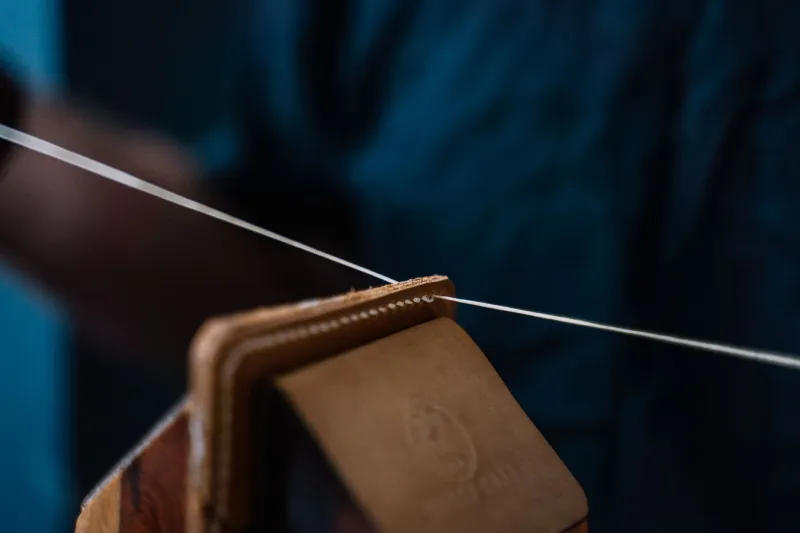
QC stands for quality control, and in practice it means the inspection photos taken before a pair ships. Good QC photos are consistent: same lighting, same angles, close-ups of stitching, heel tabs, toe boxes, tongue tags, and soles. Bad QC photos are blurry, filtered, or shot from one flattering angle.
For US buyers working through agents or group buys, QC is often the only pre-ship look you get. Treat it like a checklist, not a vibe. Compare the pair to retail photos of the same size and colorway. If the seller says 'QC passed' without showing detail shots, that phrase means very little.
3. PK: A Known Batch Label, Not a Magic Bullet
PK is a batch label with a long reputation in certain sneaker circles. It signals a known production run, not a universal quality standard. Some PK pairs are strong on materials or shape for specific silhouettes; others are just fine. The hype around the name can inflate price.
Use PK as a research shortcut, not a conclusion. Ask which model, which version, and which batch date. A PK label on a pair you have not compared side by side is just a name on a listing.
4. LJR: Another Batch Name With a Following
LJR is similar: a batch label with a following, often discussed in the same breath as shape and stitching. It does not mean 'luxury' or 'legal' or 'perfect.' It means a specific production run that buyers have opinions about. Quality can vary by silhouette and by version.
When you see LJR in a listing, look for close-ups of leather grain, stitch count, midsole paint, and heel shape. Middle-tier to upper-tier pricing is common. The label is useful only if it helps you compare those details.
5. God Tier: Marketing More Than Measurement
'God tier' is slang for top perceived quality. It is not a standardized grade, and no factory owns the term. Sellers use it to justify markup, and buyers use it to signal that a pair looks close to retail in photos. Both can be true, and both can be hype.
If a listing says god tier but gives no batch name, no QC, and no return policy, treat it as marketing copy. The real question is not whether a pair is god tier. The real question is whether the stitching, materials, silhouette, and price make sense for you.
6. B-Grade: Flawed, Cheaper, Sometimes Fine
B-grade means a pair with cosmetic or minor structural flaws: glue stains, uneven stitching, slight color mismatch, a scuff, or a crooked logo. It does not automatically mean unwearable. Plenty of B-grade pairs become beaters, DIY projects, or gym shoes.
Price is usually lower, and that is the tradeoff. If a seller does not disclose the flaws, that is a red flag. Ask for close-ups. For US sneaker fans, B-grade can be decent value if you care more about wearability than display perfection. It is not automatically the best deal if small flaws will bother you every time you look down.
7. GL and RL: Decision Tools, Not Quality Labels
GL means green light: you accept the pair. RL means red light: you reject it and ask for another. These terms show up constantly in QC threads. They are subjective decisions, not official grades.
Use a simple checklist: silhouette, toe box, stitching, materials, logos, sizing, and sole color. Do not RL forever chasing a pair that does not exist at your budget. Understand the batch limits. GL and RL are useful because they force you to look closely, not because they settle the argument.
8. Middleman vs. Agent: Service vs. Legwork
A middleman sells curated batches with customer service. An agent buys from platforms and ships for you. Middleman pricing is higher, but the process is easier. Agent pricing is lower, but you do more legwork and take on more shipping risk.
This is not a quality term, but it affects price and peace of mind. In 2026, US buyers weigh response time, return options, shipping timelines, and seizure risk. Transparency matters more than a fancy menu.
9. Retail Comparison: The Benchmark That Cuts Through Noise
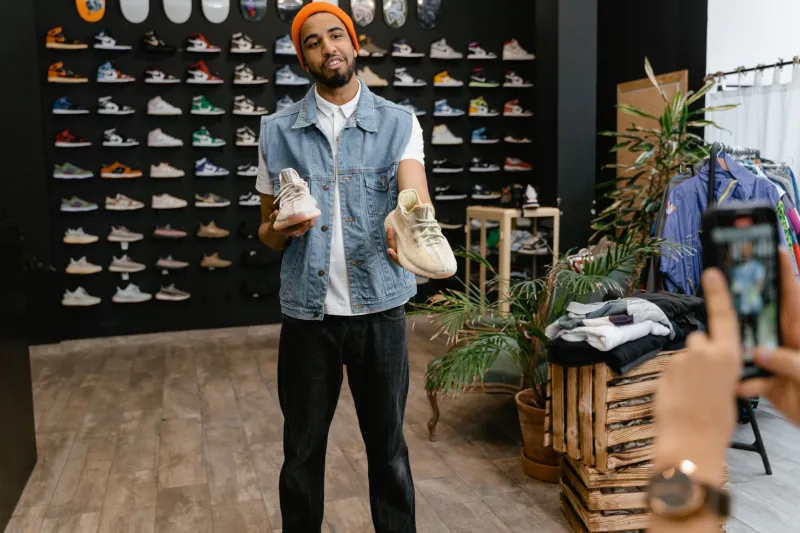
Retail comparison means putting a replica pair next to an authentic pair and studying the differences. This is the most useful quality cue in the entire vocabulary. Look at materials, shape, stitch density, sole color, box label, and tongue height. Use the same angle, lens, and lighting when possible.
A good comparison tells you more than ten adjectives. A bad comparison uses different sizes, different lighting, or a retail pair that is already worn. US sneaker fans can use local consignment shops, friends' pairs, or trusted photo sets to build a real reference point.
How to Read the Hype
Separate specs from slang. Batch names are not grades. 'God tier' is not a measurement. QC photos matter more than marketing lines. Price tiers can help you orient yourself, but they do not replace close-up inspection. And a return policy is worth more than a bold claim.
In 2026, the replica market is more transparent in some ways and noisier in others. The glossary is useful only if it helps you ask better questions: Which batch? Which version? Which flaws? Which price? The hype fades. The stitching remains.