The Doorstep Gauntlet: Securing Replica Sneaker Deliveries in 2026

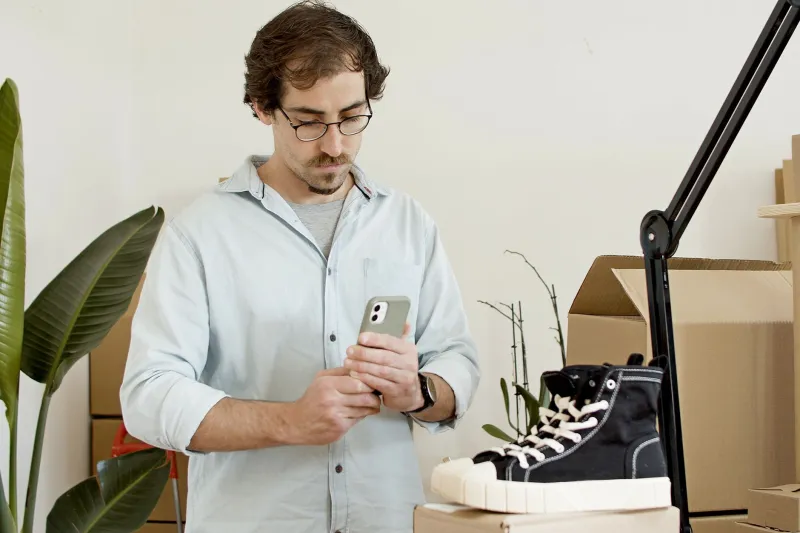
Photo: plain cardboard package on suburban front porch with doorbell camera, via www.lexika-translations.com
The tracking number refreshes at 6:14 a.m., and the day officially changes shape. It is not the sneaker itself that causes the stomach drop anymore. It is the thought of a plain brown box sitting exposed on a suburban porch in broad daylight while the buyer is forty minutes away at work. In 2026, the last fifty feet of a replica sneaker purchase have become the most stressful part of the transaction. The shoe cleared customs, survived the QC photo stage, and made it through three sorting hubs. Now it has to survive the doorstep.
The Box Is the Tell
Replica sellers have learned that discretion is not just about avoiding attention from the wrong people. It is about avoiding attention from the right people—the ones who know a shoe box when they see one. In the US market, buyers are increasingly asking for plain packaging, generic sender names, and no exterior branding that hints at footwear. A few sellers have started double-boxing as standard, using neutral tape, and printing labels that look like they belong to a small business rather than a sneaker operation.
But the buyer-side anxiety has shifted too. A box that is too plain can still be a tell if it sits in the same spot all afternoon. A box that is too branded is worse. The sweet spot is forgettable: a package that looks like it could be paper towels, printer ink, or a birthday gift from an aunt in Ohio. Some buyers now request that invoices be left out entirely. Others ask sellers to avoid shoe-specific customs declarations, though that is a conversation with its own risks and limits.
The result is a strange new etiquette in the replica market. Buyers are not just reviewing batches and stitching. They are reviewing packaging. Did it arrive clean? Was the outer box intact? Did the label scream sneaker? The delivery experience has become part of the product.
Hold That Thought
For a growing number of US buyers, the safest porch is no porch at all. Hold-at-location requests have moved from a niche workaround to a standard step in the holiday shopping routine. UPS Access Points, FedEx Office counters, and USPS Hold Mail requests are now part of the same checklist as checking tracking and confirming the size run.
Signature requirements are another layer. Some buyers will not complete an order unless the seller offers a signature-confirmed shipping option, even if it adds cost. The logic is simple: a package that requires a human handoff is harder to steal than a box dropped at the door. It also creates a record. If the carrier says it was signed for, the buyer has a place to start asking questions.
There is a trade-off, of course. Hold-at-location means a trip across town, a line, and a photo ID. During the 2026 holiday season, those pickup counters are busier than ever. But a twenty-minute detour feels cheaper than a lost pair and a weeks-long dispute with a seller who has already moved on to the next order.
The Group Chat Defense Network
Neighborhood warning networks have become the informal security system of the replica sneaker world. Ring cameras, local Facebook groups, and group texts now serve as early-warning systems for delivery day. A buyer who cannot be home will ask a neighbor to watch the porch. If the neighbor is also waiting on a package, they coordinate. The result is a low-tech relay of eyes on the street.
In some circles, this has become its own social ritual. People share carrier quirks—which driver rings the bell, which one leaves boxes behind the planter, which one never bothers with the side door. Replica buyers trade notes on which shipping services are more reliable in their ZIP code. A package that arrives safely is celebrated. A package that goes missing becomes a cautionary tale with a timestamp and a blurry camera still.
What makes this different from general package theft anxiety is the stakes. A stolen replica sneaker is not just a financial loss. It is the end of a long, patient process. The buyer researched batches, compared QC photos, waited through production, and tracked the box across an ocean. Porch piracy does not just take a shoe. It takes the payoff.
The Pickup Ritual
Delivery day now has a script. Some buyers reroute packages to their workplace. Others use lockers or retail pickup points. A few have invested in porch lockboxes, though those can be defeated by a determined thief. The most common solution is still the oldest one: be home, or know someone who will be.
For remote workers, the ritual is a series of small alerts. The phone buzzes when the package is out for delivery. The buyer watches the window. The dog hears the truck before the app updates. The box comes inside within seconds, not minutes. For everyone else, the ritual is a negotiation with a boss, a partner, or a neighbor.
Holiday season adds pressure. Between Black Friday and the end of December, porches are fuller, drivers are faster, and thieves are busier. A replica sneaker box that might sit safely in July can become a target in November. US buyers know this. The 2026 holiday shopping calendar has made delivery planning feel less like convenience and more like risk management.
What Sellers Are Doing
On the seller side, the response has been part packaging and part communication. Replica sellers are more willing to discuss shipping methods in advance, share tracking details earlier, and split orders across multiple shipments when the value is high. Some are using domestic forwarding services to shorten the final leg. Others are simply reminding buyers that a plain box is a feature, not a bug.
The trust equation has shifted. A few years ago, the replica market worried most about the shoe itself—batch quality, material, shape, and stitching. Those concerns have not disappeared. But in 2026, the final mile has become part of the value proposition. A seller who understands delivery anxiety is a seller who understands the American buyer.
The Last Fifty Feet
Porch piracy is not a new problem, but it has become a sneaker-culture ritual of its own. The tracking refresh, the neighbor text, the hold-at-location detour, the sprint from the car to the front door—these are now part of the replica buying experience. The box is still the point, but the journey to the box has never felt longer.
For US replica sneaker fans, the lesson of 2026 is simple: the drop does not end when the order is placed. It ends when the box is inside, the tape is cut, and the shoe is finally on foot. Everything in between is just the gauntlet.