The Glamour Shot Problem: How US Replica Buyers Read QC Photos in 2026
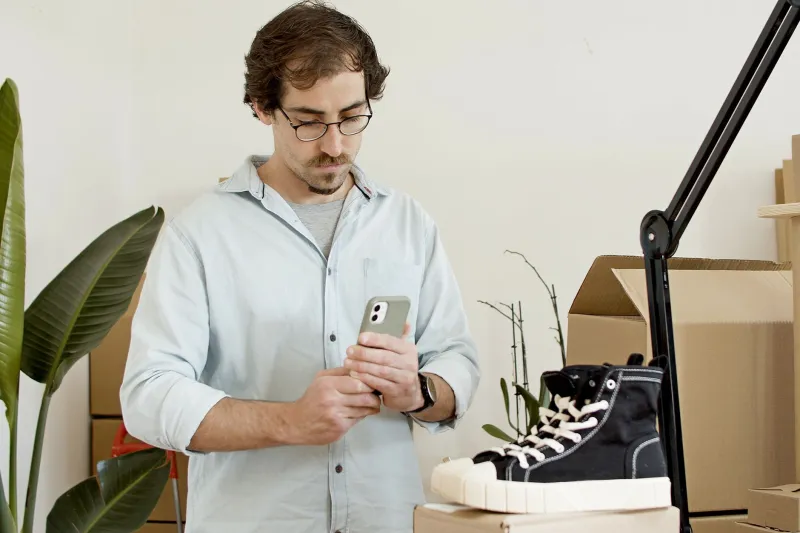
Somewhere in the United States right now, a buyer is staring at a phone screen, zooming into a photograph of a sneaker they have not yet received. The image is bright, clean, and composed. The toe box looks sharp. The stitching looks straight. The seller wants a green light. The buyer wants to believe the photo.
This is the QC photo ritual, and in 2026 it is one of the most consequential parts of the replica sneaker market. Quality-control images are supposed to be evidence. In practice, they are also advertising. The same pair can look premium under a soft window light and questionable under a harsh flash. Learning to read that gap is now a core skill for US buyers.
What a QC Photo Set Is Supposed to Show
A useful set is not a glamour shoot. It is a inspection report. Experienced buyers want six or seven specific angles: the lateral side, the medial side, a top-down view of the toe box, the heel and heel tab, the tongue tag, a close-up of stitching at the swoosh or overlay, and the outsole. Some ask for the insole print and the size tag inside the collar.
The problem is that many sellers default to the flattering angle. The shoe is shot slightly from above, turned three-quarters toward the camera, with the laces arranged just so. It looks like a product page. That is exactly what makes it hard to evaluate.
Light Is the First Lie
Lighting changes everything. Direct flash flattens texture and blows out material sheen, which can make a cheap synthetic upper look smoother than it is. Warm indoor bulbs shift color, turning a cool grey into a taupe. Ring lights create a halo that hides scuffs and glue stains. Natural window light is usually the most honest, but even that depends on the time of day.
US buyers have learned to ask for photos in indirect daylight, with no flash, against a neutral background. If the seller cannot provide that, the buyer should treat the image as a mood board, not a measurement.
Angle and Crop Do the Rest
Camera height changes toe-box shape. Shoot from slightly above and the toe looks lower and sleeker. Shoot from below and it looks taller and boxier. A tight crop around the midfoot hides the heel shape. A wide shot can make stitching look tighter than it is.
The experienced eye compensates. They look for the relationship between the toe box and the midsole, not just the toe box alone. They check whether the heel tab sits at the right height. They look at the spacing of the eyelets. They compare the tongue tag font to a retail reference taken in similar light.
What Buyers Actually Inspect
The checklist is fairly consistent across the US replica community in 2026:
- Stitching: Is it even? Are the stitch lengths consistent? Does it follow the overlay cleanly, or does it wander?
- Toe-box shape: Is it too tall, too flat, or too bulbous? Does the slope match the retail silhouette?
- Material sheen: Does the leather look plasticky under natural light? Does suede have nap or does it look brushed flat?
- Midsole paint: Are there drips, overspray, or uneven lines where the midsole meets the upper?
- Heel tab and logo placement: Is the tab centered? Is the embroidery or print clean?
- Tongue tag: Is the font weight right? Is the spacing off? Does the tag sit straight?
- Sole and outsole: Are the traction patterns sharp? Is the glue visible at the edges?
None of these checks require an expert. They require patience and a reference point.
Retail References Are the Real Control
A QC photo means little without a comparison. The smartest buyers keep a folder of retail images for the exact colorway and size they are considering. They try to match the lighting conditions as closely as possible. They do not compare a flash-lit QC photo to a studio retail shot and conclude the replica is off. That is a setup for false alarms.
The better method is to compare shape and proportion first, then materials, then small details. Shape is hardest to fake. Stitching can be cleaned up. Glue stains can be wiped. A toe box that is fundamentally the wrong height cannot be fixed with a better camera angle.
Price Tier Changes the Standard
A $60 pair and a $140 pair are not judged by the same rubric. At the lower tier, buyers are usually looking for structural competence: the shoe holds its shape, the sole is attached, the laces are usable. At the mid tier, they expect cleaner stitching and more consistent materials. At the top tier, they are hunting for the small tells that separate a good replica from a great one.
The trap is expecting top-tier precision at a budget price. That leads to endless red lights and frustration. The more useful question is whether the pair is good enough for the tier and the purpose. A daily beater does not need perfect heel embroidery. A display pair might.
A Practical Checklist for Better Photos
When requesting QC images, be specific. Ask for:
- Both lateral and medial sides, full shoe, no crop.
- A top-down toe-box shot from a consistent height.
- A close-up of the stitching at the most complex overlay.
- The heel tab and logo, straight on.
- The tongue tag and size tag.
- Natural light, no flash, neutral background.
- A short video walkaround if the seller offers it.
If a seller refuses or sends the same glamour shot again, that is information too. The photo economy runs on trust, and trust is built by transparency, not by better lighting.
When Good Enough Is Good Enough
The final call is always a judgment. A pair can have a minor stitch irregularity and still be a strong buy. Another pair can look flawless in photos and arrive with a misaligned heel. The QC image is a filter, not a guarantee.
In 2026, the US buyers who do best are the ones who treat QC photos as a conversation rather than a verdict. They ask for better light. They compare to retail. They know their price tier. And they accept that no photograph can tell them everything.