Open Window Protocol: Reading Replica Sneaker Odor in 2026
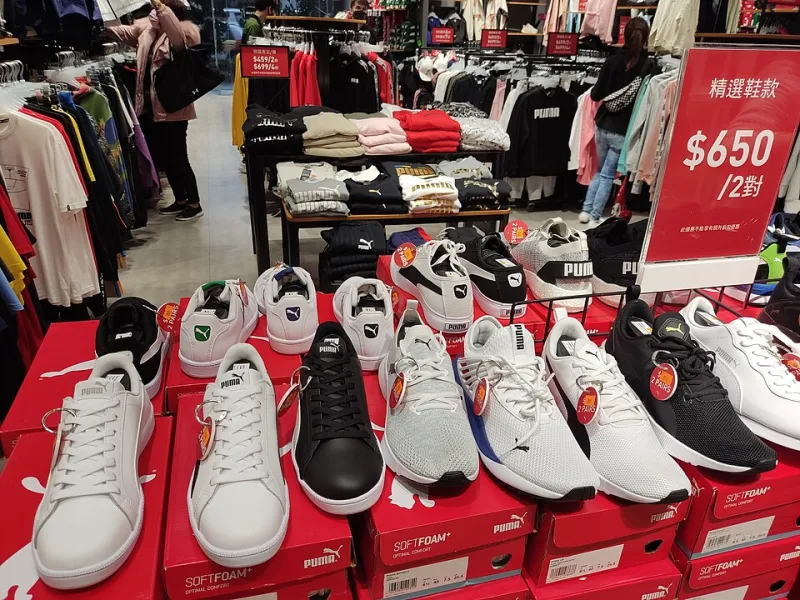
Photo: FHOONIGM Pingmenu, CC BY-SA 4.0, via Wikimedia Commons
The box lands on the doorstep, the tape comes off, and the smell hits before the sneakers do. Maybe it is sharp and solvent-like. Maybe it is sweet, rubbery, or faintly like a damp basement. In the replica market, that first breath gets treated like a secret code — as if one whiff could confirm the batch, the factory, or the entire purchase. It cannot. But smell is still useful evidence, and in 2026 it belongs in a sensible QC routine, not at the center of a panic spiral.
Smell Is Evidence, Not a Verdict
A new sneaker is a small chemistry set. Adhesives cure, dyes settle, rubber and foam release gases, and packaging holds all of it close to the shoe. Replica pairs often spend weeks in transit and storage before they reach a US apartment, dorm, or mailroom, so the scent you meet is a mix of manufacturing and shipping history. It can tell you something about how a pair was made, how it was stored, and how much air it has seen. It cannot tell you the whole story on its own.
That distinction matters. A strong smell does not automatically mean a bad batch, and a neutral smell does not automatically mean a good one. Treat odor like a note in the margin of your inspection — helpful, contextual, and worth pairing with photos, measurements, stitching checks, and a wear test.
Four Smells and What They Usually Mean
Glue that bites the nose
Contact cement and other adhesives are the usual suspects behind that sharp, solvent-heavy opening act. A pair that smells like a hardware store aisle in the first hour is not automatically a problem. Many pairs need a few days to off-gas, especially if they were packed tight and shipped through warm conditions. The question is whether the smell fades with air. If it still stings your eyes after a week in a ventilated room, that is worth noting — not necessarily a return, but a flag.
Dye and leather finish
Some pairs carry a chemical-sweet or faintly acrid note from dyes, coatings, and leather finishes. This can be normal, particularly on darker colorways and synthetic leathers. It usually softens faster than adhesive smell. If it smells wet-paint harsh weeks later, or if the shoe feels tacky in spots, slow down and inspect more closely.
Rubber and foam
Fresh tire, inflatable pool, new yoga mat — that family of smells is common with rubber outsoles and foam midsoles. It is rarely a red flag by itself. A burnt or harsh rubber smell can be unpleasant, but it is not a reliable batch decoder. Air and time are the practical tests.
Mustiness and cardboard
This is the one to take seriously. A damp-basement, wet-cardboard, or mildew smell points to storage conditions more than manufacturing. Check the tissue paper, the box itself, and the inside of the shoe. Visible fuzz, lingering dampness, or a smell that gets worse after a day in the open is a real concern. In the US, where packages can sit in humid mailrooms or hot delivery trucks, storage smell is often a shipping story rather than a factory one — but it still affects what you received.
Off-Gassing Timelines Are Not Universal
There is no single clock for every pair. Heat and humidity speed up release; cold slows it down. A sneaker opened in a stuffy apartment in July may read very differently from the same model opened in a dry, cool room in November. In general, the loudest factory smell tends to soften within 48 to 96 hours of proper airing, with many pairs settling over one to two weeks. Some linger longer. That does not make them fake or dangerous — it makes them a pair that needs air.
Do not judge from the first ten minutes. The box has been closed for a long time. Give the shoe a chance to breathe before you decide what the smell means.
The Open-Window Protocol
A simple routine works better than a bottle of fragrance spray. Open the box near a window or, if weather allows, on a porch or balcony. Remove the tissue paper, silica packets, extra laces, and any plastic wrapping. Those materials hold scent close to the shoe. Let the pair sit in indirect light and moving air for 24 to 48 hours, then check again.
Avoid direct sun, radiators, and space heaters. High heat can warp glue and foam, which is a much bigger problem than a temporary smell. If the room is small, a fan on low helps more than opening every window in the house. A shallow tray of baking soda or charcoal nearby can absorb some odor, but do not sprinkle either directly on the shoe. Skip heavy sprays and perfumes; they mask the signal you are trying to read and can stain materials.
After 72 hours, do a wear test around the house. Body heat and sweat can release another round of smell from adhesives and lining materials. If that second wave fades after a short session, you are probably dealing with normal off-gassing. If it intensifies, keep notes.
Red Flags Versus Normal Factory Scent
Normal factory scent is usually solvent-like, rubbery, or chemical-sweet, and it fades with air. A red flag is persistent mildew, a rotten or sewage-like note, visible mold, oily residue, or a smell that causes headaches even after days of ventilation. Those are reasons to document the issue and talk to the seller, not reasons to post a dramatic unboxing thread.
It is also worth saying plainly: smell is not a reliable tier test. Two pairs from the same batch can smell different based on storage, shipping route, and how long they sat in a warehouse. The replica market already has enough folklore. Add smell to your QC file as one data point, not as a ranking system.
Putting Smell in Your 2026 QC File
Keep a short scent log: date opened, first impression, 24-hour check, 72-hour check, and whether the smell faded, held, or worsened. Note where the pair was stored and how long it sat before you opened it. Pair that log with your usual photos and measurements. If you contact a seller, be specific — “sharp adhesive smell, still strong after four days near an open window” is more useful than “smells weird.”
If you are opening multiple pairs, give them space. Do not stack fresh boxes in a closet and let the smells mingle. A little separation keeps your notes honest.
Smell is one instrument on the dashboard. A sneaker that smells like a hardware store on day one can still be fine. A sneaker that smells like a damp basement in week two deserves a closer look. Open the window, take notes, and let time do its job before the group chat does its own.