The Winter Bench: A 2026 Plan for Keeping Replica Sneakers Alive Through Salt and Slush
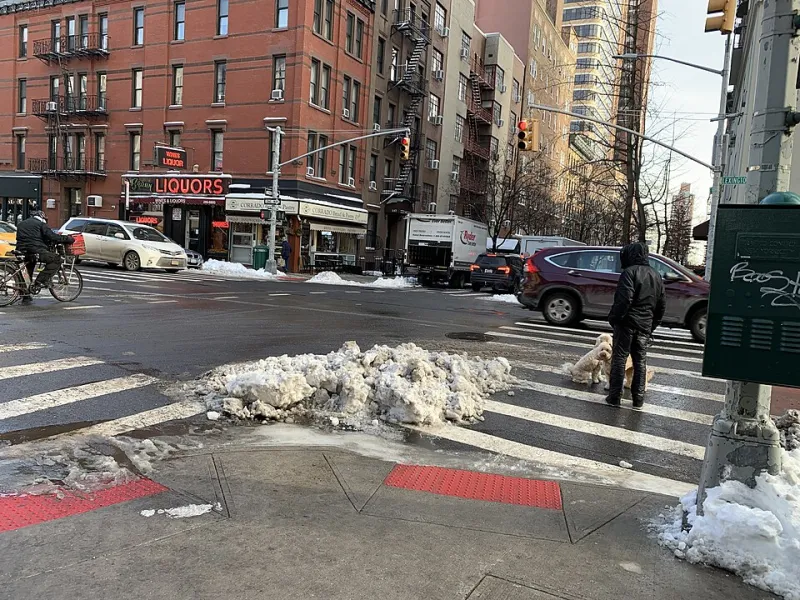
Photo: Deansfa, CC BY-SA 4.0, via Wikimedia Commons
By mid-November 2026, the first salt trucks have already made their rounds in plenty of US cities. You can hear the spreader before you see it, and you know what it means: the easy season for sneakers is over. For replica sneaker fans, winter is less about hunting the next drop and more about protecting the rotation you already have. A replica pair is not automatically fragile, but winter has a way of finding every weak point — porous mesh, light suede, half-clean welts, glue lines that hate heat. The goal here is not to buy more. It is to keep what you already wear alive.
Bench the pairs that lose first
Every rotation has a few pairs that should sit out the worst weeks. Think light-colored suede and nubuck, open-mesh runners with exposed foam, and any white leather pair with porous panels that drink up brine. These are not permanent benchwarmers. They are dry-day shoes. If the sidewalk is a gray-brown soup of slush and salt, leave them home.
The pairs that stay in play are the ones with tighter leathers, darker finishes, rubberized overlays, or synthetic uppers that wipe clean. That does not mean they are invincible. It means they can handle a wet commute without a full recovery operation. If a pair already has a blown-out heel lining or a sole separation starting to show, winter will accelerate the problem. Fix it now or park it until spring.
Pretreat like you mean it
Protection sprays are not magic, but they buy time. The mistake is treating them like paint. Light coats, done outside or near a window, are the move. Oversaturating suede can stiffen the nap and leave a dark, waxy patch that never quite brushes back. Test any spray on a hidden spot first — inside the tongue, under the collar, somewhere nobody sees. Replica materials can vary from batch to batch, and a coating that works on one pair may darken another.
For mesh, a water-repellent spray can help with light rain and road spray, but it will not save a mesh toe from a direct slush bath. Keep the coat thin. Let it cure fully before wearing. For leather, skip the heavy oils and greasy conditioners that can clog grain and attract grime. A neutral protector and a clean microfiber cloth will do more than a thick layer of product.
Suede needs its own rhythm: brush when dry, protect lightly, brush again after wear. Do not scrub wet suede. Do not hold it under a tap. If salt has already dried into the nap, let it dry completely, brush out what you can, and use a suede eraser or a damp cloth with a tiny amount of mild soap only if the stain is stubborn. Texture is the whole point of suede. A heavy-handed cleanup can flatten it for good.
Salt is a chemistry problem, not a cosmetic one
Road salt and brine do not just look bad. They pull moisture, stain leather, and leave a white crust that works into stitching and seams. The worst thing you can do is let a salty pair sit in a warm hallway overnight. Heat pushes the salt deeper and can soften adhesives. Instead, knock off the loose stuff outside, wipe the uppers with a barely damp microfiber, and let the pair air out at room temperature.
For leather and synthetic uppers, a diluted white vinegar solution on a cloth can help neutralize salt residue, but keep it light and spot-test first. Do not soak the shoe. Do not flood the seams. For suede, stay away from wet vinegar unless a professional is doing the work. A dry brush and patience are safer. Once the salt is gone, wipe again with a clean damp cloth and dry naturally.
Dry slow, store dry
Winter kills sneakers in two ways: salt on the outside and moisture on the inside. A wet pair stuffed into a closet is a recipe for mildew, curled toes, and weakened glue. Remove the insoles, stuff the shoes with dry microfiber or newspaper, and change the stuffing once it feels damp. Put them in front of a fan, not on a radiator. No dryer. No direct sun. No space heater. Replica or retail, heat is not a drying tool.
Give shoes 24 to 48 hours to dry fully before they go back on the shelf. If you live in a small apartment with no airflow, a cheap fan and a dry corner will do more than any gadget. Store winter-worn pairs separately from clean ones. A breathable cotton bag or an open shelf beats a sealed plastic bin, especially if there is any chance the shoe is still holding moisture. Silica packets can help in a closet, but they are not a substitute for actually drying the shoe.
A quick city read
The Northeast runs on brine and sidewalk salt. In Boston, New York, and Philadelphia, the danger is the refreeze: wet morning sidewalks, salty slush by lunch, icy edges by evening. Keep a dedicated wipe-down kit by the door. The Midwest adds freeze-thaw cycles and brutal wind, which means salt stains plus cracked leather if you skip conditioning. In Chicago, Minneapolis, and Detroit, rotate more often and dry more carefully. The Pacific Northwest is a different story. Seattle and Portland may not salt like the East Coast, but constant rain finds every seam. There, water repellency and real drying time matter more than salt neutralizer.
The point is wearing them
The winter bench is not a museum shelf. It is a rotation tool. Wear the tough pairs on ugly days, bring the suede out when the pavement is dry, and accept that scuffs are part of the deal. What you want to avoid is the slow damage: salt sitting overnight, wet shoes stuffed in a bag, heat doing quiet work on glue. A little maintenance now keeps the whole rotation in service later. That is a better winter plan than buying another pair and pretending the weather will behave.