Seven Lacing Codes Running the Sidewalks of US Sneaker Style in 2026
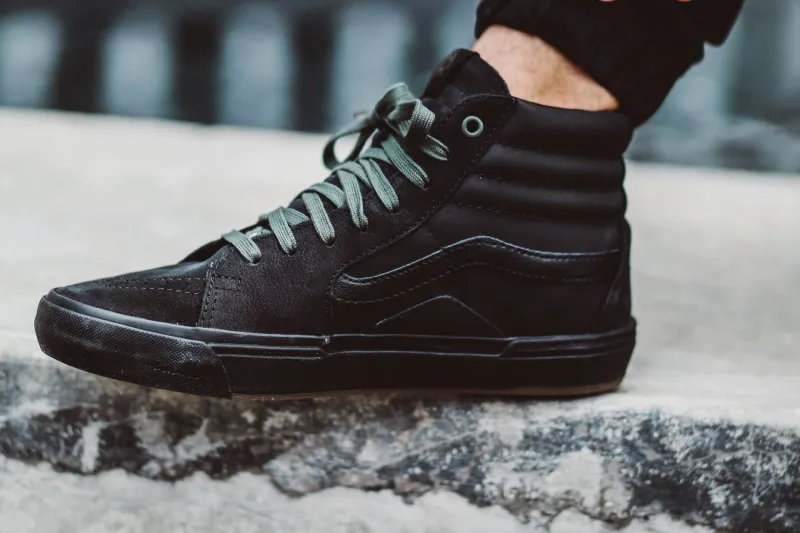
There is a quiet contest happening at ankle height. In 2026, US street style has turned back toward the details you can see from a few feet away: the roll of a cuff, the yellowing of a midsole, the way a lace sits across the tongue. Laces are the cheapest customization in sneakers and the fastest way to change a silhouette's attitude. They are also the most democratic. You do not need a plug, a bot, or a resale account to re-lace a pair.
The revival is not about novelty for its own sake. It is about signaling. A straight bar on a Samba reads different from factory crisscross on a Dunk. Loose loops on a fresh pair say something different from a heel-lock on a daily runner. Below are seven patterns moving through US cities right now, with the silhouettes they suit and the message they tend to send.
A Short History of the Lace as a Signature
Laces began as pure function. On early canvas court shoes and running trainers, they were meant to do one job: hold the upper to the foot. The 1970s running boom brought flatter, wider lacing to distribute pressure. The 1980s basketball era added ankle support and high-top geometry. By the 1990s, hip-hop and skate culture turned looseness into a posture; laces dragged, loops went untied, and the shoe became less equipment than attitude.
The 2000s cleaned things up. Skaters tucked loops. Runners got heel-lock lacing. The 2010s fetishized the deadstock look, with laces still in their factory position and tags attached. By the 2020s, bar lacing and hidden knots crept back in through fashion-adjacent sneaker styling. In 2026, the result is a mixed vocabulary. People are not choosing one rule. They are choosing a dialect.
1. Factory Crisscross, Untouched
This is the pattern most sneakers ship with: a simple cross, over-under, tied in a bow at the top. The signal depends entirely on condition. On a worn pair, it says you are not fussing. On a deadstock pair, it says you have not committed yet.
Suits: Air Force 1, Dunk Low, most general-release runners.
How to keep it clean: If you are re-lacing, feed the lace from the outside in at the bottom eyelets, then cross over the top. Keep the tension even. Do not pull the bow tight against the tongue; leave a little breathing room.
2. Straight Bar Lacing
Bar lacing hides the diagonal crosses and creates clean parallel lines across the top of the foot. It looks intentional without looking loud. In 2026 it is showing up on low-profile terrace shoes and court silhouettes, especially in cities where the clean-fit look still dominates.
Suits: Samba, Gazelle, Campus, Air Max 90, slim leather sneakers.
Step-by-step: Start with one lace end going straight across the bottom pair of eyelets from the outside in. On the inside, run that end up one eyelet and straight across the outside. Repeat. The other end does the same on the opposite side, filling the gaps. Finish with a simple bow or tuck the ends.
What it signals: Deliberate, tidy, a little European. It reads as a choice rather than a default.
3. Loose Deadstock Loops
This is the no-tie look: laces left long, loops hanging, tongue pushed forward. It is the visual equivalent of a fresh pair that has not been broken in. In 2026 it is common on chunky runners and retro basketball shoes, especially among younger wearers who want the shoe to look unworn without looking precious.
Suits: 990-series runners, Air Max 1, retro high-tops.
How to get it: Loosen the top two eyelets, tie a normal bow, then pull the loops wide and tuck the tails under the tongue or let them hang. Do not tighten the midfoot too much or the shoe will look clamped.
What it signals: Relaxed, new, unconcerned with creasing.
4. Over-Under Lock
This is the runner's pattern: the lace crosses over the top on one row and under on the next, creating a tighter, more even hold. It is less decorative than it is functional, but on the right shoe it looks technical.
Suits: Performance runners, trail shoes, knit uppers, anything with a narrow tongue.
How to do it: Start with an under-lace at the bottom, then alternate over and under as you move up. Keep the tension firm but not strangling. The goal is to reduce pressure points on the top of the foot.
What it signals: Practical. You actually walk or run in these.
5. Ladder Lacing
Ladder lacing creates horizontal rungs across the tongue, like a tiny fire escape. It is an old skate and combat-boot technique that has migrated onto low-top sneakers. On a Dunk or a Chuck 70, it makes the shoe look more custom than it is.
Suits: Dunk Low, Chuck 70, Jordan 1 Low, canvas shoes.
How to do it: Feed both lace ends from the outside in at the bottom. Cross them inside and bring each end straight up the inside to the next eyelet, then across the outside. Repeat. Finish at the top with a bow or a hidden knot.
What it signals: Playful, crafty, a little DIY.
6. Heel-Lock Marathon
This is the lacing pattern for people who complain about heel slip. You create a loop at the top two eyelets and run the lace ends through it before tying. It locks the ankle in without cranking the whole shoe.
Suits: Running shoes, basketball shoes, any pair you actually play in.
How to do it: Lace normally to the second-to-last eyelet. Then feed each end out through the top eyelet on the same side, creating a small loop. Cross the ends and pass them through the opposite loop. Pull and tie.
What it signals: You know your shoe. This is not a pose; it is a fix.
7. Hidden Knot
A hidden knot tucks the bow under the tongue or inside the shoe, leaving the top clean. It is the quietest of the seven and has become common on minimal leather sneakers and low-profile suede.
Suits: Common Projects-style leather sneakers, loafers, clean low-tops.
How to do it: Lace normally, tie a secure double knot, and tuck the ends under the tongue. If the tongue is thin, run the ends down the inside sidewall instead.
What it signals: Minimal, controlled, allergic to clutter.
The Point Is Not Perfection
The 2026 lacing revival is not a set of rules to memorize. It is a reminder that sneakers are still a hands-on hobby. A $4 pack of laces can make a pair feel new. A different pattern can make a shoe you were bored with look like it belongs to a different outfit.
The best approach is to pick one pattern, live with it for a week, and see how it changes the way the shoe sits. If it feels fussy, loosen it. If it feels sloppy, tighten the midfoot. The sidewalk will tell you the rest.