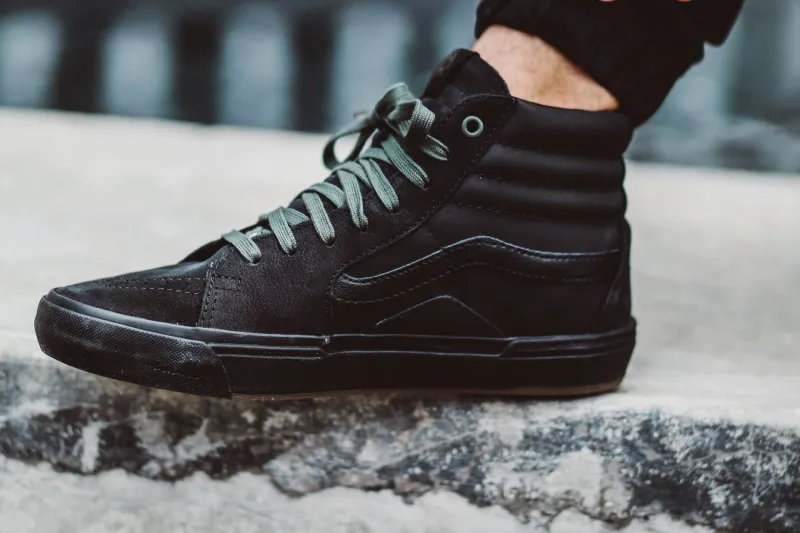
Ankle Check: The Sock Gap Is Now the Loudest Part of a 2026 Sneaker Fit
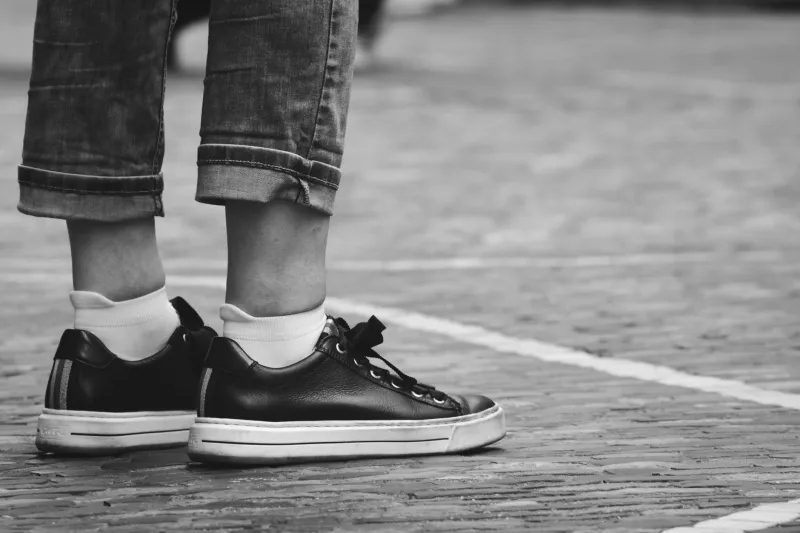
Walk down any American block where sneakers matter and you’ll notice something before you notice the shoes: the gap. Not the heel-to-toe drop, not the lace job — the sliver of ankle, sock, or bare skin between the collar of the sneaker and the hem of the pants. In 2026, that little window has become the loudest part of a fit. It’s a tell. It says whether you’re running no-shows with a tailored cropped trouser, quarter socks with baggy denim, or a full crew sock stacked over a chunky retro. The sneaker gets the photo, but the sock gap sets the tone.
The Gap Is a Frame, Not an Afterthought
For years, sock choice was the thing you did last — grab whatever was clean, hope it didn’t bunch. That changed as sneaker culture got more precise about proportions. A low-profile runner looks different with three inches of bare ankle than it does with a ribbed crew sock pulled high. A bulky retro demands some visual weight below the hem, or the whole silhouette collapses. The gap is the frame around the shoe. Get it wrong and even a clean pair looks off. Get it right and a $90 pair of reps reads just as intentional as a grail.
US sneaker fans have been reading this code on sidewalks from Los Angeles to Philadelphia. The gap is how you show you know the difference between “I threw these on” and “I built this.”
The No-Show-to-Crew Spectrum
Think of sock height as a dial, not a binary.
No-show / invisible. The ankle is bare. This is the cleanest look and the most unforgiving. It works best with low-profile silhouettes — slim runners, canvas lows, sleek leather sneakers — and pants that hit at or above the ankle. In 2026, no-shows are less about hiding socks and more about showing skin as a deliberate contrast. The risk: if your pants are long and bunched, the bare ankle disappears and the whole point is lost.
Quarter / ankle socks. The quiet middle. A little sock peeks out, enough to add a color or texture without dominating. This is the safest zone for replica wearers because it frames the collar without drawing attention to stitching or shape. A white quarter sock with a low-top is basically the vanilla ice cream of US sneaker style — hard to hate, easy to upgrade with a stripe or a small logo.
Crew / mid-calf. The statement. Crew socks are back in a big way, especially with shorts, cropped pants, and bulky retros. They add height, they add color, and they let you play with logos. The catch is proportion: a high crew with a low-profile shoe can look top-heavy, while a crew with a chunky dad shoe looks balanced. In 2026, the crew sock is less about sports and more about styling — think ribbed textures, faded dyes, and small embroidered marks rather than giant athletic branding.
Over-the-calf / stacked. The extreme end. This is for the people who want the sock to be the main event. It works with shorts and high-cut sneakers, or with pants tucked or cropped aggressively. It’s a look, not a default. If you’re going there, commit.
Why the Tiny Gap Became a Status Signal
A few things converged. First, sneaker silhouettes got more varied. The rotation now includes everything from slim retro runners to massive skate shoes, and the same sock height doesn’t work for all of them. Second, pants got wider and shorter at the same time. Cropped, pleated, baggy, stacked — hems are all over the place, which means the ankle is more visible than it used to be. Third, replica culture made the details matter more. When the shoe itself is a close study, the styling around it becomes the differentiator. The gap is a flex because it shows you understand the whole outfit, not just the pair.
There’s also a practical angle. A well-chosen sock can hide the top of a replica collar, soften a stiff tongue, or add a pop of color that makes a neutral shoe feel less generic. It’s the cheapest upgrade in sneaker style. You don’t need a new pair; you need a better gap.
Practical Rules for Building Around the Gap
1. Match the sock weight to the shoe’s weight. Slim shoe, slim sock. Chunky shoe, thicker sock. A thin no-show under a bulky retro looks like a mistake. A thick crew with a sleek runner can swallow the shoe.
2. Let the hem decide. If your pants are cropped, the sock is part of the outfit — treat it like a color block. If your pants are long, the gap might only show when you sit or walk, so keep the sock simple and clean.
3. Use color intentionally. A white sock is the default. A black sock with black pants and a black shoe creates a long line. A bright sock is a statement — one is enough. Don’t let the sock fight the shoe.
4. Check the logo placement. Small logo at the ankle: fine. Giant logo screaming from the calf: only if that’s the point. In 2026, subtle marks are reading louder than big ones.
5. Test the sit-down. The gap changes when you sit, cross your legs, or walk. What looks good standing in front of a mirror can disappear the moment you move. Wear the fit around the house for ten minutes before you commit.
6. Don’t sleep on the replica angle. If you’re wearing a low-profile replica, a clean quarter sock can draw the eye to the collar shape and away from any tiny inconsistencies. If you’re wearing a chunkier rep, a crew sock adds visual mass that balances the shoe. The sock gap is a tool — use it.
The Bottom Line
The sneaker gets the credit, but the gap does the talking. In 2026, US sneaker style is less about what’s on your feet and more about how it sits in the frame. Sock height, color, and placement are the fastest way to make a rotation feel deliberate. So before you lace up, take a look at the ankle. That little strip is the loudest thing in the fit.